
Setting Up AI Receptionist Services: A Step-by-Step Guide
In today's fast-paced business world, integrating technology into daily operations is essential for staying competitive. One such innovation is the AI receptionist service, which can streamline customer interactions and enhance customer experience. This step-by-step guide will walk you through setting up AI receptionist services effectively.
Understanding AI Receptionist Services
AI receptionist services utilize artificial intelligence to manage customer interactions, answering queries, scheduling appointments, and more. These systems can significantly reduce the workload on human staff, allowing them to focus on more complex tasks. Additionally, they provide 24/7 availability, ensuring your customers can always reach out when needed.
Assessing Your Business Needs
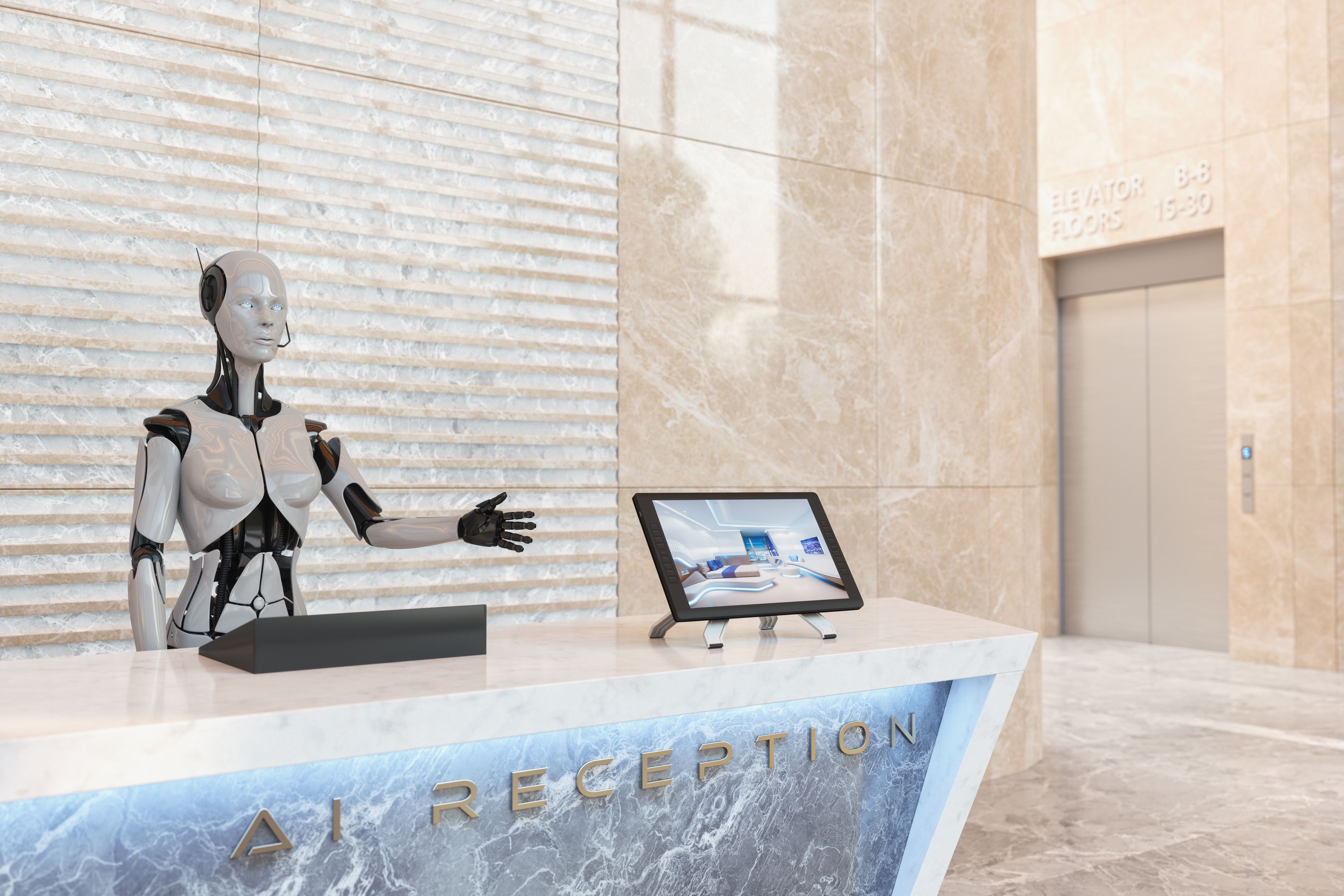
Before implementing an AI receptionist, assess your business needs. Consider factors like the volume of incoming calls, the types of queries you receive, and the current customer service process. This assessment will help you determine the specific features you require in an AI receptionist solution.
It's important to involve key stakeholders in this process to ensure the chosen solution aligns with overall business goals. Engage with your customer service team to gather insights on the most common issues they face and the tasks that could be automated.
Choosing the Right AI Receptionist Software
With a clear understanding of your needs, it's time to explore available AI receptionist software options. Look for solutions that offer scalability, integration capabilities with your existing systems, and a user-friendly interface. Popular options in the market include software with natural language processing and machine learning capabilities.
Consider scheduling demos with potential vendors to see how their software functions in real-time scenarios. Evaluate customer reviews and case studies to gain insights into how well each solution performs in real-world applications.

Integration and Customization
Once you've chosen a suitable AI receptionist service, the next step is integration. Ensure seamless integration with your existing communication systems, such as phone lines and CRM software. Most providers offer API access or pre-built integrations to facilitate this process.
Customization is another critical aspect. Tailor the AI receptionist to match your brand's tone and style. Configure it to handle specific queries relevant to your business and set up workflows that align with your operational processes.
Training and Testing
Training your AI receptionist is essential for optimal performance. This involves feeding it with relevant data and continuously refining its algorithms based on real interactions. The more data it processes, the more accurate and efficient it becomes.
Conduct thorough testing before fully deploying the system. Simulate various customer scenarios to ensure it responds appropriately. Testing helps identify any gaps in its knowledge base or areas where it may need further training.
Monitoring and Continuous Improvement
After deployment, regular monitoring is crucial to ensure the AI receptionist continues to meet your expectations. Use analytics tools to track its performance, such as response times, customer satisfaction rates, and error rates. This data provides valuable insights into areas for improvement.
Set up a feedback loop by collecting input from customers and staff interacting with the AI receptionist. Regular updates and training sessions will help maintain its efficiency and accuracy over time.
Conclusion
Setting up an AI receptionist service can revolutionize your business operations by enhancing customer service efficiency and availability. By following this step-by-step guide, you can ensure a smooth implementation process that aligns with your business objectives. Embrace this technological advancement to stay ahead in a competitive marketplace.