
Comparing Virtual Receptionists: AI vs. Human
Understanding Virtual Receptionists
In today's fast-paced business environment, efficient communication is crucial. Virtual receptionists have become an integral part of many companies, offering a blend of technological innovation and human touch. However, the debate between using AI-driven virtual receptionists and traditional human receptionists continues to evolve as both options offer distinct advantages.
Benefits of AI Virtual Receptionists
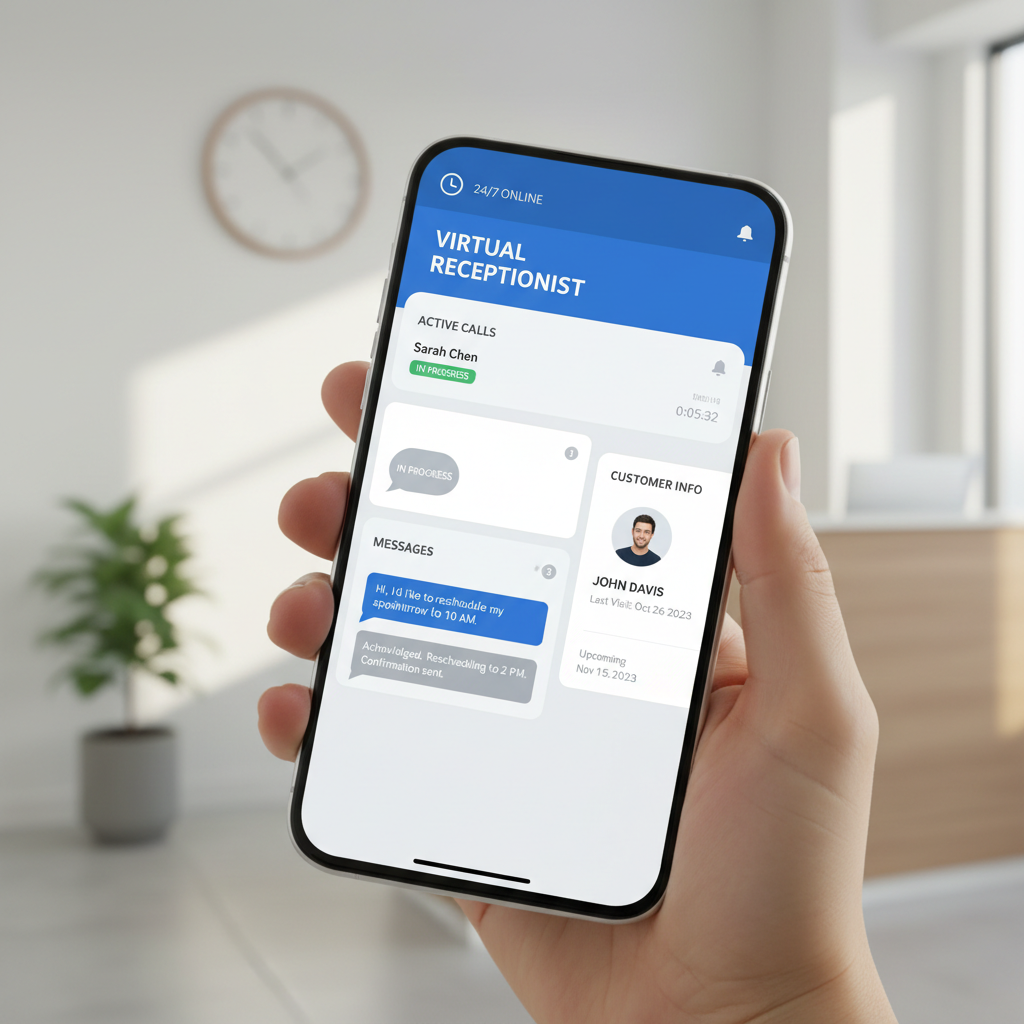
AI virtual receptionists are powered by advanced algorithms and machine learning. These systems can handle basic inquiries, schedule appointments, and route calls efficiently. One of the main advantages of AI is its ability to operate 24/7 without fatigue, ensuring that no call goes unanswered.
Moreover, AI systems can be cost-effective for businesses. They eliminate the need for multiple shifts and can handle high volumes of calls simultaneously. This makes AI particularly appealing for startups and small businesses looking to optimize their resources.
Limitations of AI
Despite their advantages, AI receptionists have limitations. They may lack the personal touch and empathy that human interactions provide. Understanding complex queries or dealing with emotionally charged situations can be challenging for AI, potentially leading to customer dissatisfaction.

Advantages of Human Receptionists
Human receptionists bring a level of personalization and adaptability that AI cannot match. They can offer empathy, build rapport, and handle intricate or sensitive situations with ease. This human touch often enhances customer satisfaction and fosters loyalty.
Additionally, human receptionists can represent a company's brand and culture more effectively. Their ability to understand nuances and provide customized responses is invaluable in creating a positive first impression.
Challenges with Human Receptionists
While human receptionists offer personalized service, they come with higher costs. Salaries, training, and benefits can be significant expenses for businesses. Furthermore, human receptionists require breaks and time off, which can lead to potential gaps in coverage.

Finding the Right Balance
Businesses must weigh the pros and cons of each option to determine the best fit for their needs. Some companies may benefit from a hybrid approach, utilizing AI for routine tasks while relying on human receptionists for complex interactions. This ensures efficiency while maintaining a personal touch.
Ultimately, the choice between AI and human receptionists depends on the specific requirements of a business, including budget, customer expectations, and the complexity of inquiries typically received.
Conclusion
The decision to use AI or human receptionists is not a one-size-fits-all solution. Each business must carefully consider its priorities and customer base to make an informed choice. As technology advances, the capabilities of AI receptionists will continue to improve, offering even more sophisticated solutions in the future.