
Case Study: Transforming Customer Engagement with AI Receptionist Services
Introduction to AI Receptionist Services
In the rapidly evolving digital landscape, businesses are constantly seeking innovative ways to enhance customer engagement. One such innovation is the integration of AI receptionist services. These AI-driven solutions are transforming how companies interact with their customers, ensuring a seamless and efficient experience.
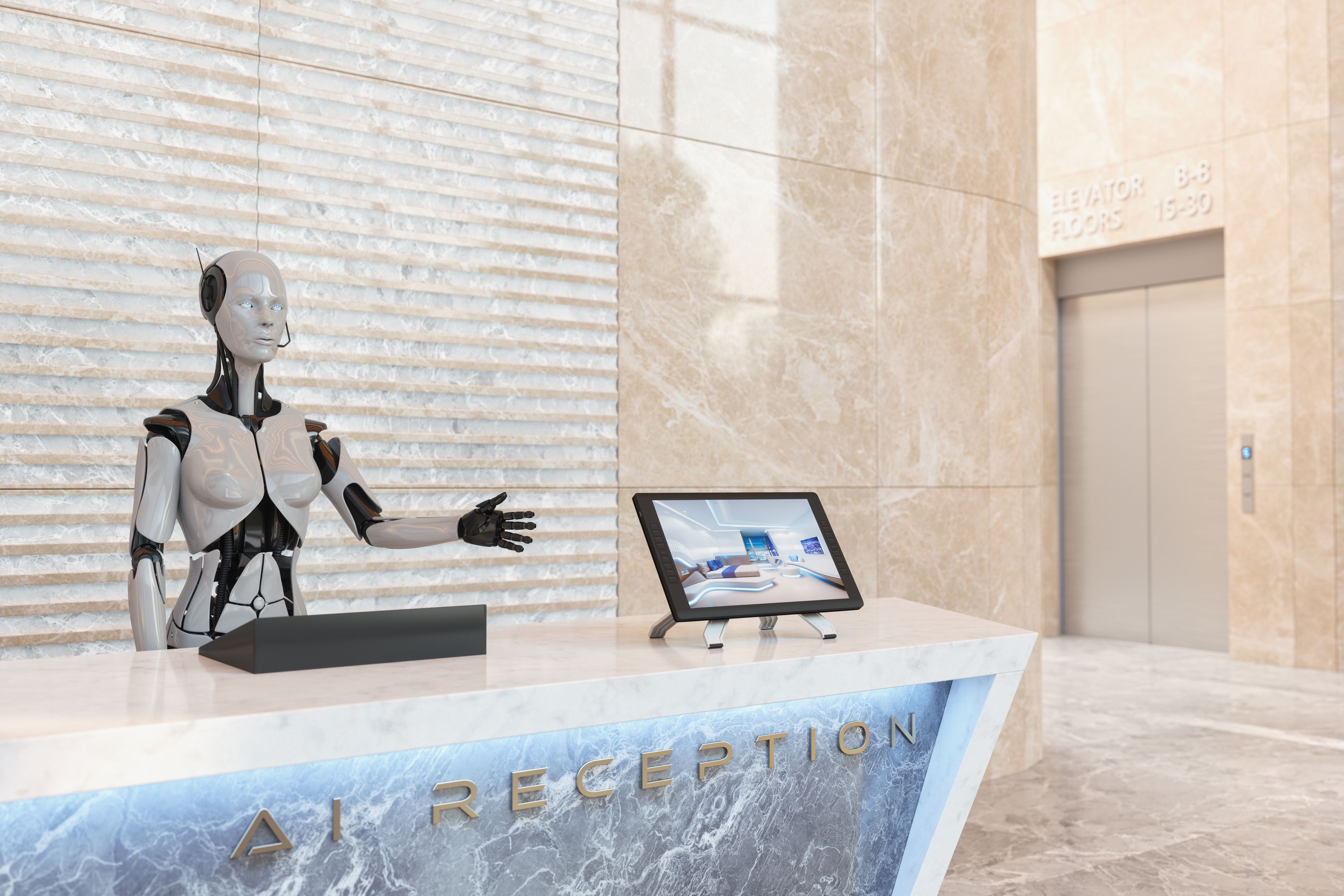
AI receptionists are virtual assistants powered by artificial intelligence designed to handle customer interactions. They can manage tasks such as answering queries, scheduling appointments, and providing real-time information, all while maintaining a personal touch. This case study explores how AI receptionist services have revolutionized customer engagement for a leading company.
Challenges Faced Before Implementation
Before adopting AI receptionist services, the company faced several challenges in managing customer interactions. The traditional call center model was overwhelmed, leading to long wait times and reduced customer satisfaction. Additionally, there was a significant strain on human resources, resulting in increased operational costs.
Customer feedback highlighted the need for quicker response times and more personalized services. The company realized that to stay competitive, it needed to rethink its approach to customer engagement. This prompted the search for a solution that could streamline operations while enhancing the overall customer experience.

Implementation of AI Receptionist Services
The company partnered with a leading AI technology provider to implement an AI receptionist solution. The rollout process involved several stages:
- Identifying key areas where AI could have the greatest impact.
- Customizing the AI system to align with brand voice and customer expectations.
- Integrating the AI receptionist with existing CRM systems for seamless data flow.
The AI receptionist was programmed to handle a wide range of customer inquiries, providing instant responses and escalating complex issues to human agents when necessary. This hybrid approach ensured that customers received timely and accurate information while retaining a human touch for more nuanced interactions.

Results and Benefits
The introduction of AI receptionist services led to a significant improvement in customer engagement metrics. The company reported a 40% reduction in wait times and a 30% increase in positive customer feedback. Customers appreciated the efficiency and accuracy of the AI responses, which enhanced overall satisfaction.
Moreover, the operational costs associated with customer service decreased as the AI system reduced the workload on human agents. This allowed the company to reallocate resources to other critical areas, such as product development and marketing strategies.
Future Prospects and Expansion
Encouraged by the positive outcomes, the company is now exploring additional functionalities for their AI receptionist service. Plans include expanding language capabilities to cater to a global audience and integrating advanced analytics to gain deeper insights into customer behavior.
The success of this case study highlights the potential of AI technologies in transforming customer engagement across various industries. As AI continues to evolve, businesses can expect even more innovative solutions that will redefine how they connect with their customers.

Conclusion
The transformation of customer engagement through AI receptionist services represents a significant milestone in leveraging technology for business growth. By embracing AI, companies can not only improve their service efficiency but also enhance their customer relationships, paving the way for a more connected and responsive business environment.
This case study serves as a testament to the power of AI in driving operational excellence and customer satisfaction. As more businesses adopt similar technologies, it is clear that AI will continue to play a pivotal role in shaping the future of customer service.