AI Receptionists vs Traditional Receptionists: Making the Right Choice for Your Business
In today’s rapidly evolving business landscape, the decision between employing an AI receptionist or a traditional one is more pertinent than ever. Both options present unique advantages, and understanding these can help make an informed choice that best suits your business needs.
Understanding AI Receptionists
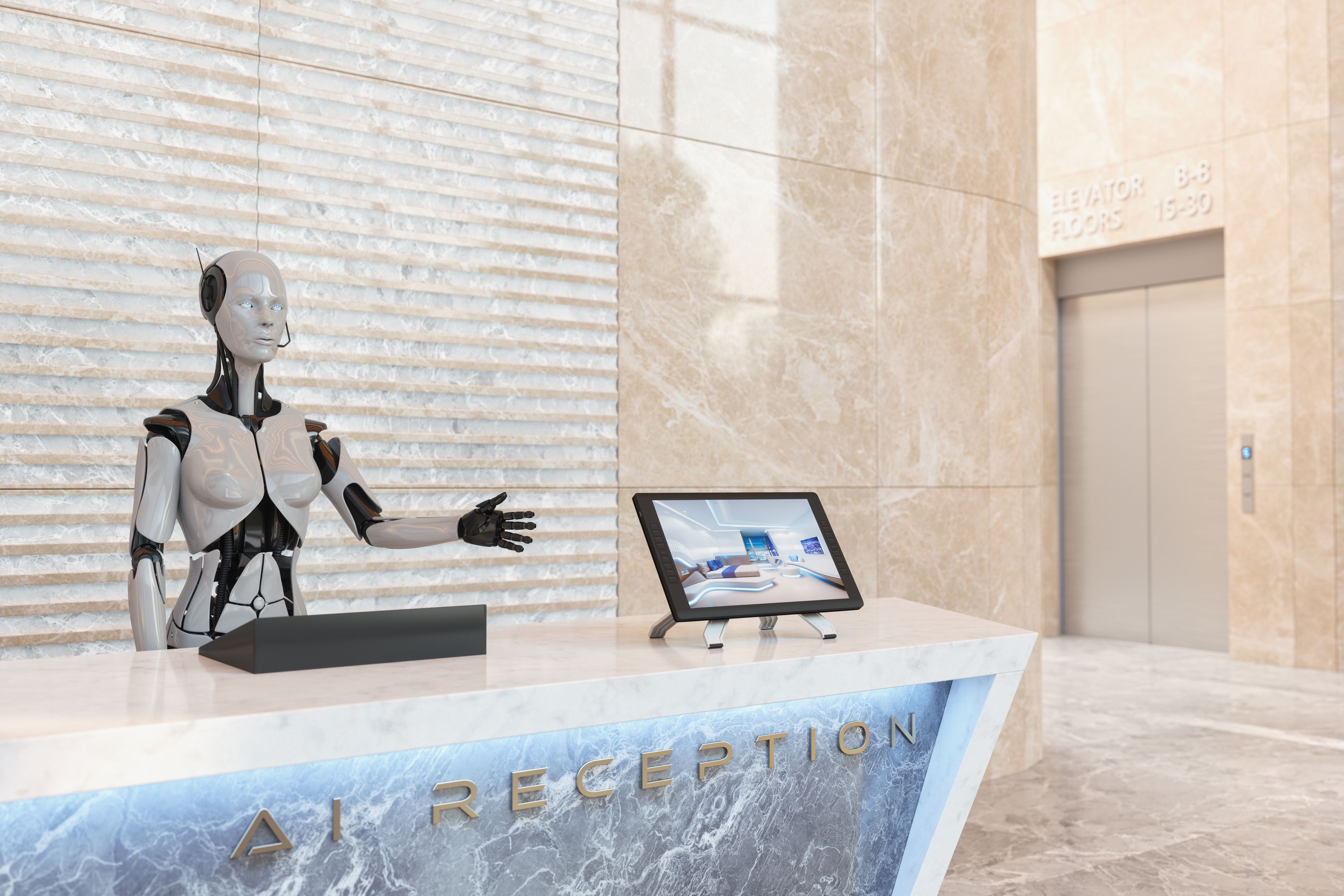
AI receptionists are automated systems designed to handle tasks typically managed by human receptionists, such as answering calls, scheduling appointments, and providing information. These systems utilize advanced technologies like natural language processing and machine learning to perform tasks efficiently.
One of the primary benefits of AI receptionists is 24/7 availability. Unlike their human counterparts, AI systems can operate continuously without breaks, ensuring your business remains accessible to clients around the clock.

Cost Efficiency
For many businesses, cost is a significant factor. AI receptionists can be more cost-effective in the long run. They eliminate the need for salaries, benefits, and other associated costs of hiring full-time employees. Additionally, AI systems can handle multiple inquiries simultaneously, potentially increasing productivity.
However, initial setup costs can be high, and ongoing maintenance is necessary to ensure the system runs smoothly. This is something businesses need to consider when evaluating the overall cost-effectiveness.
The Role of Traditional Receptionists
Traditional receptionists bring a personal touch to your business that AI cannot replicate. They can offer a warm greeting and adapt to unique situations with empathy and understanding, something that is crucial for client-facing roles.

Human Interaction
Many clients appreciate the ability to interact with a real person. Traditional receptionists can handle complex situations that require human judgment and emotional intelligence. Their ability to read social cues and respond accordingly is invaluable in maintaining strong client relationships.
Moreover, traditional receptionists can perform a variety of office tasks beyond answering phones, such as organizing documents and assisting with on-site needs, adding value beyond their immediate role.
Making the Right Choice
Deciding between an AI or traditional receptionist depends on your business priorities. For businesses that prioritize cost savings and efficiency, AI receptionists might be the ideal choice. They are especially beneficial for businesses with high call volumes and straightforward inquiries.
On the other hand, if your business thrives on personal connections and requires nuanced interactions, a traditional receptionist may be more suitable. The human touch can greatly enhance customer experience and satisfaction.

Ultimately, some businesses may find that a hybrid approach works best, using AI to handle basic tasks while relying on human receptionists for more complex interactions. By carefully assessing your business needs, you can make a choice that enhances both your operational efficiency and customer satisfaction.